Gum Grafting
Your gum grafting specialists will see you now.
Gum grafting may be recommended when gum recession has exposed tooth roots or reduced the protective gum tissue around the teeth. The procedure aims to restore gum coverage, protect vulnerable root surfaces, improve comfort, and support long-term gum stability. Treatment is planned based on the cause and extent of recession, tooth position, and overall periodontal health, with the goal of reducing further tissue loss, improving oral function, and maintaining healthy gum contours over time.
Performed by
Periodontist
Consultations Available at
Appointment type
Costs
Consultation fee:
$195
Procedure:
$1200-5000
Anaesthetic fee:
VF
VF – Variable Fees; exact costs are given after clinical assessment. Prices are indicative only; final fees will be confirmed after your consultation.
WHAT IS GUM GRAFTING?
Gum grafting is a specialised periodontal procedure used to treat gum recession by restoring lost or thinning gum tissue around the teeth. It may be recommended when exposed tooth roots cause sensitivity, increase the risk of decay, or make teeth harder to keep clean. Gum grafting aims to protect vulnerable root surfaces, improve gum thickness and stability, and support long-term oral health while maintaining a natural appearance of the gum line.

Common Symptoms & Concerns
When it may be time for gum grafting.
Exposed tooth roots
Receding gums that leave root surfaces visible, increasing sensitivity and risk of decay.
Ongoing tooth sensitivity
Sharp or lingering sensitivity to cold, heat, or brushing caused by reduced gum coverage.
Progressive gum recession
Gums that continue to pull away from the teeth over time, even with good oral hygiene.
Difficulty keeping areas clean
Areas with gum recession may trap more plaque or be hard to brush effectively
Changes in gum appearance
Uneven gum lines or thinning tissue that affects smile aesthetics.
Discomfort during brushing
Tender or sore gum areas that make daily oral care uncomfortable.
What to expect during specialist treatment.
Step 1
Consultation
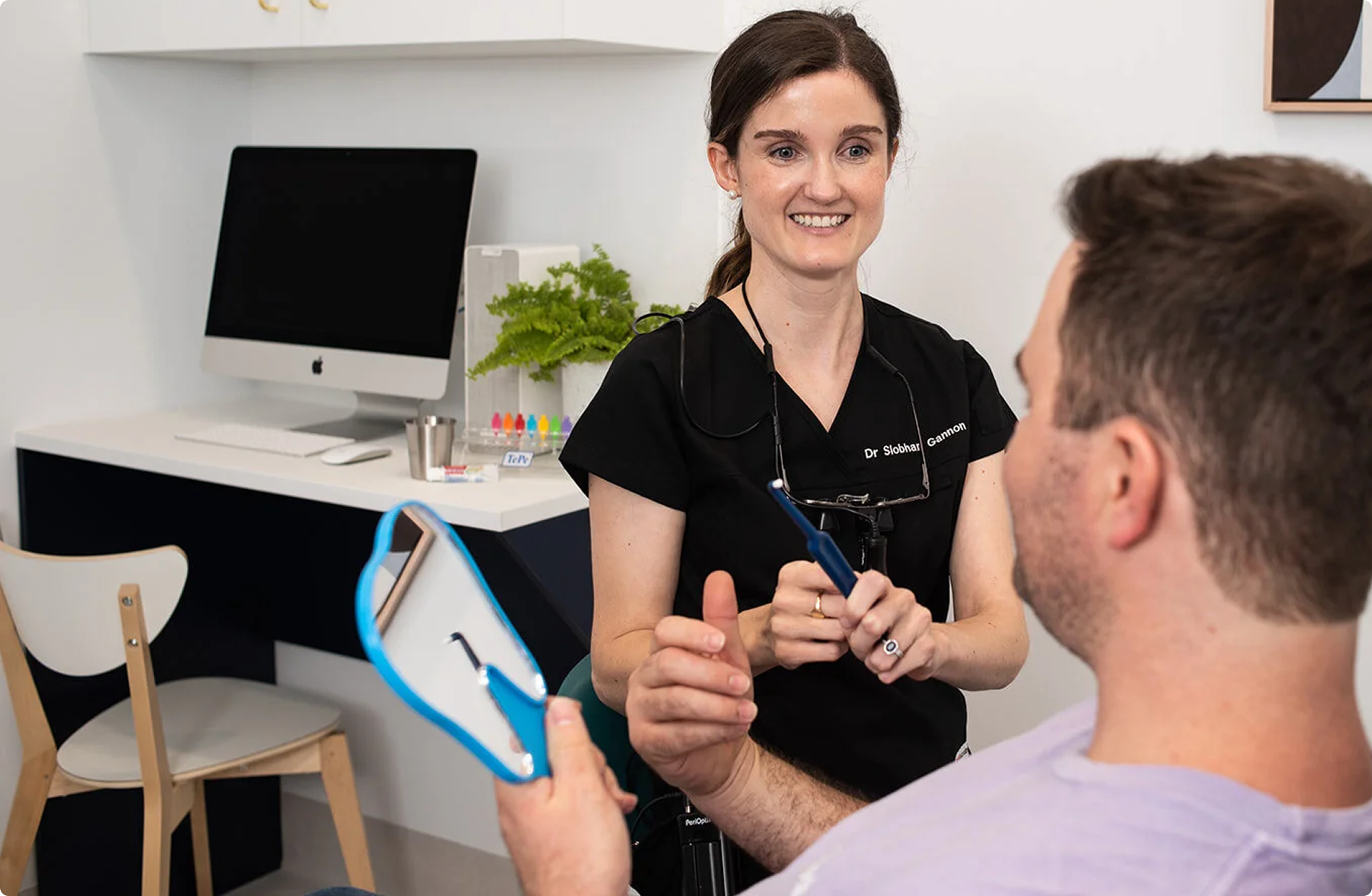
Your periodontist assesses gum recession, tooth stability, and contributing risk factors. Clinical measurements and imaging help determine whether gum grafting is appropriate and which technique is most suitable for your specific needs.
Step 2
Surgery
Gum tissue is carefully placed to cover exposed roots or thicken fragile areas of gum. The procedure is performed under local anaesthetic, with techniques selected to promote healing, comfort, and long-term stability.
Step 3
Suture Removal and Review
Healing is reviewed and sutures are removed, usually within one to two weeks. Your periodontist checks tissue integration, monitors recovery, and provides guidance to protect the graft and support long-term results.
WHY GUM GRAFTING MAY HELP
Gum grafting is used to restore areas where gum tissue has receded, exposing tooth roots or reducing protection around the teeth. By rebuilding lost or weakened gum tissue, grafting aims to improve comfort, reduce sensitivity, and protect teeth from further damage. In some cases, gum grafting may:
- Protect exposed tooth roots
- Reduce tooth sensitivity
- Improve gum thickness and stability
- Help prevent further gum recession
- Support long-term tooth health and comfort

Frequently asked questions
Cant’t find the right answer to your question? See all FAQs or get in touch with one of our team members, and they can assist you with any enquires.
Our Periodontal Specialists

AHPRA# DEN0001591048

AHPRA# DEN0000988601

AHPRA# DEN0001411578

AHPRA# DEN0000968658
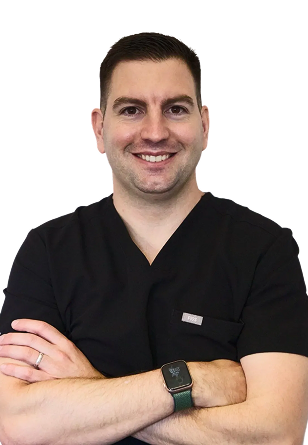
AHPRA# DEN0001858283

BOOK ONLINE
Book now for specialist care.
Book an appointment with a specialist at a convenient time and clinic, using our secure and easy booking platform.
FOR DENTISTS
Refer a Patient
Focus builds upon your own clinical excellence with expert care and great patient experience.

Safe, specialised care for crown lengthening surgery. We focus on precision and lasting results.

Safe, specialised care for gum disease, inflammation, and bone loss. We focus on early diagnosis and long-term health.

Advanced treatment for peri-implantitis. We prioritise implant stability and lasting tissue health.

Safe, specialist care for replacing missing teeth with stable, long-term solutions. We focus on function, fit, and durability.

Safe, specialised care for supportive periodontal treatment. We focus on stability and disease prevention.

Safe, specialised care for periodontal surgery. We focus on restoring gum health and preserving natural teeth.