Periodontal Surgery
Your periodontal surgery specialists will see you now.
Periodontal surgery may be recommended when gum disease is more advanced or cannot be effectively managed with non-surgical treatment alone. Surgical procedures aim to remove persistent infection, improve access for thorough cleaning, and stabilise the supporting structures around the teeth. Treatment is carefully planned based on disease severity, anatomy, and long-term prognosis, with the goal of controlling disease progression, preserving natural teeth, and supporting ongoing periodontal health.
Performed by
Periodontist
Consultations Available at
Appointment type
Costs
Consultation fee:
$195
Procedure:
$1200-2500
Anaesthetic fee:
VF
VF – Variable Fees; exact costs are given after clinical assessment. Prices are indicative only; final fees will be confirmed after your consultation.
WHAT IS PERIODONTAL surgery?
Periodontal surgery involves specialised procedures used to treat advanced gum disease and address damage to the supporting tissues around the teeth. It may be recommended where inflammation, deep pockets, or bone loss cannot be adequately managed with non-surgical care alone. Periodontal surgery aims to reduce infection, restore healthier gum and bone conditions where possible, and create a more stable environment for long-term oral health and maintenance.

Common Symptoms & Concerns
When it may be time for periodontal surgery.
Persistent deep gum pockets
Gum pockets that remain deep despite non-surgical treatment and careful home care.
Ongoing gum inflammation
Red, swollen, or bleeding gums that do not stabilise with routine periodontal therapy.
Progressive bone loss
Evidence of continuing bone loss around teeth on X-rays or clinical assessment.
Gum recession exposing roots
Receding gums that expose tooth roots, increasing sensitivity or infection risk.
Loose or shifting teeth
Changes in tooth position or stability caused by loss of supporting bone.
Difficulty maintaining gum health
Areas that are difficult to clean effectively due to pocket depth or tissue changes.
What to expect during specialist treatment.
Step 1
Assessment and Planning
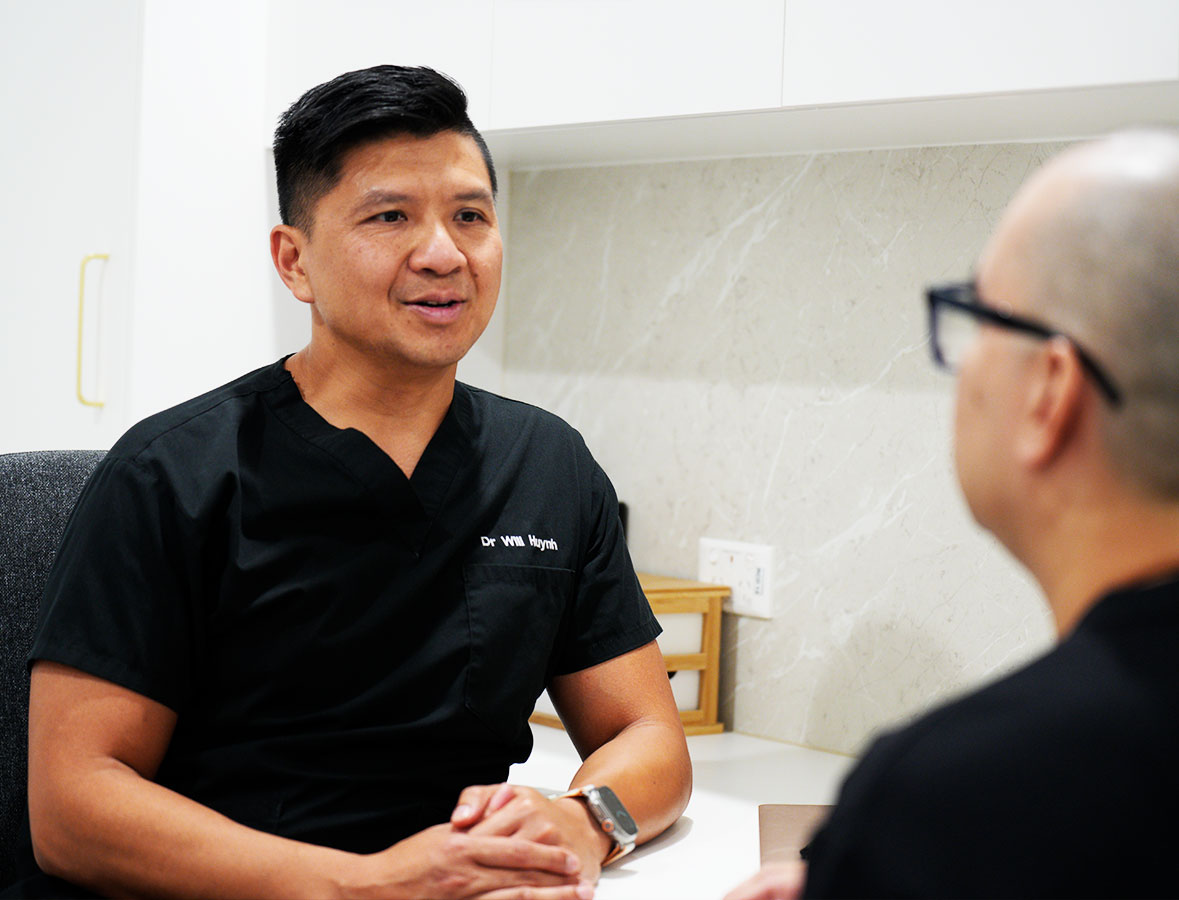
A comprehensive periodontal assessment is performed to confirm the extent of disease and determine whether surgery is required. Imaging, pocket measurements, and a tailored treatment plan are discussed.
Step 2
Surgery
Surgery is carried out to access and treat affected areas, reduce deep pockets, manage infection, and support healing of the gums and supporting bone. Local anaesthetic is used to maximise comfort.
Step 3
Review and Ongoing Maintenance
Healing is reviewed and long-term supportive periodontal care is established. Ongoing monitoring and maintenance help protect surgical outcomes and reduce the risk of recurrence.
Why surgery MaY HELP
Periodontal surgery is used to treat advanced gum disease when non-surgical care is no longer sufficient. By addressing deep infection, damaged tissue, and areas that are difficult to clean, surgery aims to stabilise the gums and supporting bone, reduce ongoing inflammation, and create conditions that are easier to maintain long term. In some cases, periodontal surgery may:
- Reduce deep periodontal pockets and bacterial load
- Improve access for effective cleaning and ongoing maintenance
- Stabilise teeth affected by advanced gum disease
- Slow or halt further bone and tissue loss
- Support long-term gum health and oral function

Frequently asked questions
Cant’t find the right answer to your question? See all FAQs or get in touch with one of our team members, and they can assist you with any enquires.
Our Periodontal Specialists





BOOK ONLINE
Book now for specialist care.
Book an appointment with a specialist at a convenient time and clinic, using our secure and easy booking platform.
FOR DENTISTS
Refer a Patient
Focus builds upon your own clinical excellence with expert care and great patient experience.

Safe, specialised care for crown lengthening surgery. We focus on precision and lasting results.

Specialised care for gum grafting. We focus on restoring gum tissue and protecting exposed teeth.

Safe, specialised care for gum disease, inflammation, and bone loss. We focus on early diagnosis and long-term health.

Advanced treatment for peri-implantitis. We prioritise implant stability and lasting tissue health.

Safe, specialist care for replacing missing teeth with stable, long-term solutions. We focus on function, fit, and durability.

Safe, specialised care for supportive periodontal treatment. We focus on stability and disease prevention.