Wisdom Teeth Removal: Your Questions Answered
Wisdom Teeth Removal: Your Questions Answered
If you’ve been told your wisdom teeth may need to come out, it’s natural to have questions about what that involves and whether it’s really necessary. Wisdom teeth removal is one of the more common oral surgery procedures, but it’s not a decision that’s made lightly. This post walks through the questions we hear most often, so you can approach your consultation feeling informed and prepared.
Do Wisdom Teeth Always Need to Be Removed?
Not at all. Wisdom teeth are not removed routinely at Focus Dental Specialists. Removal is only recommended when there’s a clear clinical reason, such as recurring infection, crowding, damage to neighbouring teeth, or a position that makes the tooth impossible to clean properly. In some cases, wisdom teeth that aren’t causing problems can simply be monitored over time.
The decision is based on a comprehensive assessment of your individual situation, including the position of the tooth, your symptoms, and the long-term risk of leaving it in place. Your maxillofacial surgeon will explain exactly what’s happening and why removal may or may not be appropriate for you, so you can make an informed decision.
What Does the Assessment Involve?
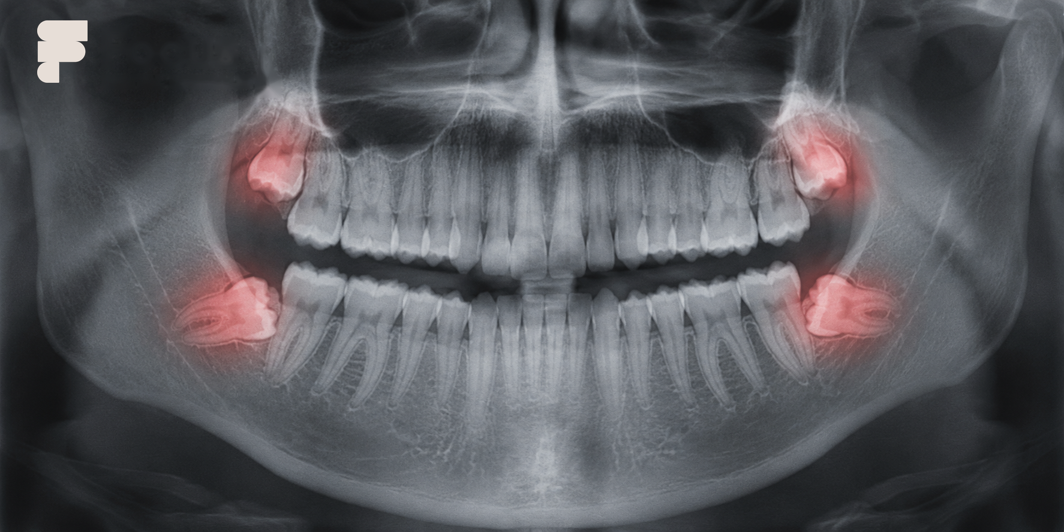
Before any treatment is recommended, your surgeon will carry out a thorough clinical examination and review imaging of your teeth and jaws. This helps to map the position of the wisdom tooth, identify any nearby structures such as nerves or sinuses, and understand the full picture before a plan is made.
At your consultation, your maxillofacial surgeon will walk you through the findings, discuss the benefits and risks of removal, and answer any questions you have. We take the time to make sure you understand your options at every stage of your care. There’s no pressure to proceed until you’re ready and fully informed.
What Are the Anaesthetic Options?
Wisdom teeth can be removed under local anaesthetic, general anaesthetic, or IV sedation (sometimes called twilight sedation). The right option depends on several factors, including how many teeth are being removed, the complexity of the procedure, and your own preferences and medical history.
Your surgeon will discuss each option with you during your consultation and help you understand what to expect with each approach. The goal is a tailored treatment plan that suits your clinical needs and keeps you comfortable throughout the process.
What Can You Expect During Recovery?
Healing time varies depending on the individual and the complexity of the procedure. Most people are able to return to work or study within about one week, though this can differ based on how many teeth were removed and how involved the surgery was. Swelling, some discomfort, and restricted diet are normal in the first few days.
Detailed post-operative care instructions are provided at your appointment, and our experienced team is available to support you if you have concerns during your recovery. Individual results and recovery experiences do vary, and your surgeon will give you a realistic picture of what to expect based on your specific case.
Frequently Asked Questions
Do I need a referral to see a maxillofacial surgeon about my wisdom teeth?
A referral from your dentist or doctor may be required in some circumstances. If you’re unsure, contact our practice and we can help clarify what’s needed before your appointment.
Will the procedure be uncomfortable?
Anaesthetic is used to manage sensation during the procedure. Your surgeon will discuss the most appropriate option for your case. Some discomfort and swelling during recovery is normal, and your care team will provide clear guidance on managing this at home.
How do I know if my wisdom teeth are causing a problem?
Common signs include pain or pressure at the back of the jaw, swelling, difficulty opening your mouth, or recurring infection around the tooth. That said, some problematic wisdom teeth cause no obvious symptoms, which is why regular dental check-ups and imaging are important.
Can all four wisdom teeth be removed at the same time?
In many cases, yes. Removing all teeth in one procedure is often more practical, particularly when general anaesthetic or IV sedation is being used. Your surgeon will discuss what’s appropriate for your situation during your consultation.
Speak With Our Team
If you’ve been referred for wisdom teeth removal, or if you’d like a comprehensive assessment of your wisdom teeth, we’re here to help. At Focus Dental Specialists, our experienced team provides coordinated care with a personalised approach at every stage. You’re in safe hands. Contact us via focusds.com.au to arrange your consultation.
The team at Focus Dental Specialists
This content is intended for general educational purposes only and does not constitute clinical advice. Individual circumstances vary, and treatment recommendations are made following a comprehensive clinical assessment. Please consult a qualified dental or medical professional for advice specific to your situation.
Call to action subscribing to mailing list.